Tuesday, February 3, 2009
MYANMAR – Land of Ruby.
Salah satu sebab utama melawat Myanmar ialah kerana batu permatanya. Selain batu jed, batu rubi Myanmar antara yang mendapat perhatian. Rubi dilombong di Sri Lanka, Tanzania, Vietnam, Afghanistan dan Myanmar. Dikatakan rubi keluaran Myanmar paling tinggi kualitinya kerana melalui proses kristalisasi yang sempurna dalam bentuk hexagonal. Jarang terdapat batu rubi yang seperti ini.
Rubi keluaran Myanmar diterima sebagai yang terbaik di seluruh dunia dan menjadi hiasan mahkota diraja (royal crown) bagi raja-raja seluruh dunia, dahulu dan sekarang. Tidak hairanlah batu rubi Myanmar dikenali sebagai “raja segala batu permata”.
Di Myanmar, tempat perlombongan rubi terletak di Mogok, lebih kurang 120 batu ke timur laut Mandalay. Mogok mengeluarkan batu permata terkenal di seluruh dunia terutamanya rubi dan sapphire. Ianya terletak 4000 kaki di atas paras laut dan terdapat sebuah tasik di tengah pusat Bandar. Tasik ini ialah lombong lama sejak zaman colonial. Banjaran pergunungan disekitar Mogok dipenuhi dengan batu permata.
Di Mogok, masalah batu permata asli atau tiruan tidak timbul kerana hampir semua batu permata di sini adalah asli yang dihasilkan terus dari lombong (mined at source). Kerajaan menghadapi masalah mengawal penjualan batu permata di sini dan disebabkan ini Mogok adalah kawasan off-limit kepada pelancong persendirian (independent traveler). Memasuki Mogok samada untuk bermalam atau tidak memerlukan permit dari pihak berkuasa dan hanya syarikat pelancongan berdaftar boleh menguruskan permit ini. Mereka memasuki permit ini dalam pakej pelancongan mereka.
Showing posts with label the journey of abuadam. Show all posts
Showing posts with label the journey of abuadam. Show all posts
Thursday, June 17, 2010

Myanmar Muslim Tour : MYANMAR /YANGON – First Day Impression (Airport to City Center)
Monday, October 27, 2008
MYANMAR /YANGON – First Day Impression (Airport to City Center)

NOTA: Bumisepi.com menggalakkan penggunaan Bahasa Melayu kerana objektif utama kami ialah untuk mempromosikan bumi ini sebagai tempat kajian (field study) kepada umat Melayu berugama Islam. Kami menyesal catatan di bawah ditulis dalam bahasa Inggeris (blogger tersebut akan diberi amaran). Walaupun begitu, kami berharap semua pengunjung dapat iktibar dari catatan di bawah.
15 October 2008
The trip was supposed to be a simple one. Checklist items had been ticked off. A ticket from Kuantan to KLIA to Yangon. A single-entry visa. A passport, not expiring within 6 months. A traveler without a family members. Some foodstuff. Some clothing. A notebook computer with built-in wi-fi. (last item is of no use in Myanmar). Those seemed to be a good recipe for the trip to Yangon for first-timer like me.
Canned foodstuff and clothing took a lot of weight so much so that I needed to settle for excess baggage fees before the boarding pass could be issued. Excess of 10 kg at RM31 per kg.
Departure gate G6 of KLIA was quiet except for some Burmese monks returning home and Malaysian workers working in Myanmar. I met an ex-staff of Carigali Hess now on his own visiting friends in Yangon. A young Malaysian engineer from Man Turbo (M) Sdn Bhd was on his way to a place – could not remember the name -- north of Yangon to overhaul a compressor at the power plant. Well, I was proud that Malaysians now have gone places, contributing to the world. There was a Haji A Rahman KK – as introduced by himself -- in his late 50s or early 60s I met at the gate. He was carrying a newspaper something like Harakah in his cabin bag. I gave him salam and we clicked easily thereafter. He was on the way back to Myanmar after visiting his daughter in Malaysia. After helping him to fillup Myanmar arrival card and custom declaration form, he invited me to visit him in Bokpyin -- somewhere north east of Yangon near Thailand border – where his kampong is. He gave me a simple direction to his house. Just find a mosque at Bokpyin (there is only one mosque there) and his house is exactly opposite of the mosque. There are a number of Malay families settling down there, some originating from Thailand and Malaysia and moving there during World War II. They talk the same language. They eat the same food. They are Moslem. Good things is that they still have contacts with family members in Malaysia and frequently visit them.
No white men at Gate G6. No westerners. No camera-lugging tourists wearing shorts. No children running around. This departure gate was really different than other gates. A big security lady of Sikh origin based on her name tag asked everyone to weigh handcarry bag before being allowed to the aircraft, and she was strict. Not more than 10kg, she said. But the process went on smoothly.
Next gate -- G7 -- was much livelier as a group of young westerners were chatting away participatively. And that Gate is going to Bangkok, not Yangon.
Malaysian Airlines flight MH740 left KLIA at 11:05am sharp. No delay at all. The aircraft was an aging Boeing 737 and made a lot of noise when taking off and in mid-air. They should have supplied an earplug like the one supplied by MHS when travelling on helicopter to offshore. May my seat 20F was too close to the wing that I could also see metal patches on the wing, indicating the aircraft was a heavily utilized one, clocking a big number of flying time. Whether it is normal to have patches -- clearly differentiated from the main component -- I am not so sure. Let the engineers worry about that. I just want to arrive Yangon -- a city I will call home for the next 2 years -- safely.
It is almost noon after talking off. Airline serves brunch after 30 minutes in flight, which comes in 2 flavors – roti jala or fresh toast. I chose the first one. The roti jala is fine but the curry is oily and tasteless. I’ve read about passengers complaining about MAS lunch boxes in the papers and now I’m experiencing it. No in-flight entertainment except Going Places magazine with some pages missing. Some passengers played mp3 songs on their handphone, most were taking naps. Down at 34000 feet below, we could see Penang and other interesting islands. Yangon is just 2 hours and 40 minutes from Kuala Lumpur.
Suddenly all the above – a quite departure lounge, a noisy aircraft, no tourists, lunch box – make sense to me and boil down to one thing. Yangon is not a popular tourist destination. People go there for two things only -- work or business. And I’m one of them.
The plane touched down at 12:29 noon (Malaysia time) rather smoothly at Yangon International Airport. The airstrip is not that long but the terminal building is new. I saw many white aircrafts of B737 size with logo MAI. I discovered later it is a Myanmar Airlines International. The airport can only land B737 and below.
Yangon International Airport is not big and not crowded either. Immigration and custom clearance was a breeze. Service staff were friendly and even helped us retrieve the carousel after we handed in the baggage tag to them. At the immigration counter I submitted arrival card and passport and visa. Then I collected my lugggage at Carousel no. 3. Unfortunately I lost a luggage, a smaller one. After lodging a complaint with MAS Office there, I managed to get back the bag after a couple of hours. The bag was finally returned to me at the Hotel I was staying. The bag was my lifeline for a couple of days ahead -- in a way -- as it contained essential foodstuff from backhome just in case I could not find halal food in Yangon.
The final part of the arrival checklist is to go the custom and hand over the Custom declaration form with nothing to declare.
The driver assigned to me is driving 2.2L Honda Accord, old model. He was a young and slender man, always on the phone. He spoke English word by word but easy to understand. Once he lost a word to complete a sentence, he lost the whole sentence. After brief introduction, my first conversation was about politics in Myanmar.
“You drive on the right hand side of the road like Americans?”
“Yes”
“I thought you hate Americans?”
“Only military people hate Americans”
Yes, Burmese drive on the right hand side of the road, in contrast with other British colonies like Malaysia. The strange thing is the steering wheel of most cars is at the right-hand side of the car. By right if you drive at the right-hand side of the road, the steering wheel should have been at the left-hand side of the car so that it is easy to navigate and overtake cars in front of you.
Most cars on the road are old, very old indeed, compared to Malaysian standard. Popular saloon cars are Toyota, like KE, LE and SE models. (Later I also found latest modern cars on the Yangon road). Buses come in many shapes and form, from old boxy type with no window to a newer Hino model from Japan. Small dilapidated lorries and pickups carry goods and some are customized to carry people. Long bench are put at both sides of the body of the lorry facing each other. Some have grills to avoid passengers from falling off when turning or braking suddenly, but most don’t. Buses only move when all the empty handrails -- not seats – are occupied.
It is common to see passengers with sarongs (known as longyis) standing on the steps clinging to the last handrail space available, dangerously, on a moving bus.
Truck converted to bus plying the road in Yangon against the backdrop of reddish colonial building.
Roads with patches and holes and the broken pavements are common sight, but still travelable. But nevertheless they are clean and tree-lined. I was told the roads in Yangon was like jungle last time before Nargis cyclone hit early 2008. Trees were everywhere. No rubbish or plastics wrappers around. Good thing is no motorcycles can be seen on the city roads. Yes, it was banned for the public. Only military personnel and policemen and postmen are allowed to use motorcycle. That makes Yangon more environment-friendly. Environmentalists like me like that.
Our car’s aircond unit stopped functioning halfway from the Airport to City Center, a distance of about 20 kms. The driver rolled down the window and I smelled the Yangon’s carbon monoxide for the first time. At a crowded junction waiting for the green light, it was even worse. It was no different that CO in Jakarta (January 2008) or Mumbai (June 2008). Yes CO smells the same everywhere.
Traders Hotel Yangon is located at Sule Pagoda Road. The road leads to a Sule Pagoda and continues to the mighty Yangon river, a lifeline for Myanmar economy. Sule Pagoda is not the biggest in the city but is very strategically positioned on the middle of the roundabout, flanked by shops and surprisingly a mosque. I was told that the very same road in front of my hotel leading to the pagoda was the venue for pro-democracy rally and monk demonstration a year ago which resulted in a crackdown by ruling military regime on Aung San Suu Kyi’s supporters. It was here that one Japanese photographer was shot down by the military during the rally and his dying moment image was shown on the TV everywhere in the world. (See Myanmar – Politik section).
There is a more popular Shwedagon Pagoda covered with gold and is a must-visit place for tourists . (See top-most image).
Shangri-La legendary hospitality greeted me with cool air and fine ladies. The contrast of life inside and outside is very great that I wanted to start counting my blessings immediately. I was late and took lunch alone. Non-halal sections are clearly labelled but to be safe I plan to be a vegetarian (plus seafoods and eggs) when staying here. There must be many Moslems guests staying here as there is a qiblat direction on the ceiling whick made me like at home. No Quran copy though in the drawer. Only a copy Bible. My room 1926 is located a non-smoking floor facing another tall building with Petronas and Hitachi logo across the road. Down there I could see people doing about their daily activities. Further down there is gigantic river with ships and ferries.
Gold-covered (or rather gold-colored?) Sule Pagoda could be seen from Level 19 of Traders Hotel.
Up on the rooftop of the tall building I could see two soldiers -- fully armed – wandering about looking down at the people on the streets. I knew they saw me too for quite sometimes as I was enjoying the view from Level 19. Looking down at the junction with traffic light, I saw another soldier similar to the ones on the rooftop scanning the public.
(NOTE: On second day after coming back from work to the hotel, I noted keys installed at my two luggages were tampered with and not in the position that I put before I left the room in the morning. I didn’t make a fuss out of it as nothing was missing, but the two solders who were staring at me really came to my mind. The safe deposit lock combination was not working from the start from day one).
I booted-up my laptop hoping it could detect any wireless network nearby. There was one available with 2 bar signal but it was secured. There was no broadband in the room not even dialup facility to access internet. There was a sign that said internet access is a controlled facility in Myanmar and therefore not available in the hotel’s guest room. Limited access is available at business center, but at the rate you don’t want to pay. So there went my plan to make use of my new laptop Acer Aspire 2920 with powerful Intel Core Duo processor and 2GB RAM and webcam to communicate with my wife and kids via Yahoo Messenger.
Phone is the only option now. But not quite. I took out my O2 PDA with Celcom 3G SIM card and let it search for Celcom allies among local networks. It kept searching until the battery drained out. None was found. Later I found out that only local phones can call outside. And the rate is unspeakable. No foreign mobile phone operators can do roaming in Myanmar. Forget Celcom. Forget Maxis. Forget Digi. Myanmar is not Celcom territory. Yellow Digi man doesn’t have friends here. I remembered a Celcom guy in Kemaman who told me that Celcom do have roaming partners in Myanmar and even gave me the roaming rates. I wasn’t sure what he meant. Either a complete ignorant or he was just trying to be nice to customers. Celcom – take note and educate your support staff!
A lesson well learnt here –leave your laptop or mobile phone at home when coming to Myanmar.
Myanmar Muslim Tour : MYANMAR – Sejarah ringkas dan politik
Monday, October 27, 2008
MYANMAR – Sejarah ringkas dan politik

MYANMAR – Sejarah ringkas dan politik
(Map courtesy of http://www.dpsmap.com/myanmar/index.shtml)
Politik Negara Myanmar memang menarik. Beribu tahun sebelum masihi, kerajaan lama purba telah memerintah negara ini dengan membina pagoda-pagoda dan kota-kota lama. Sebab itulah tarikan utama pelancong ke Myanmar ialah pagoda-pagoda berbagai bentuk dan yang paling terkenal ialah Pagoda Shwedaggon di Yangon dan di Bagan, sebuah bandar purba di tengah Myanmar. Cerita pagoda di Myanmar seusia dengan pembinaan Angkor Watt di Kemboja. Arkiteknya lebih kurang orang atau puak yang sama saja.
Negara ini dijajah oleh British sehingga mencapai kemerdekaan pada tahun 1948. Kerajaan pertama yang dibentuk sangat rapuh dan tidak mampu mentadbir pelbagai bangsa etnik termasuk di pergunungan. Pemerintahan tentera bermula bila General Ne Win mengambil alih kuasa pada tahun 1962 dan mengamal polisi pengasingan dari dunia luar. Ekonomi Negara merudum dan rakyat semakin miskin, tersekat dari bantuan dunia luar. Gerakan pro-demokrasi bermula pada tahun 1988 dipelopori oleh Aung San Suu Kyi dan mula mendapat perhatian pihak luar. Tentera mula panik dan menganjurkan pilihanraya bebas pada tahun 1990. Parti NLD pimpinan Aung San Suu Kyi telah menang besar walaupun beliau ditahan oleh kerajaan tentera. Junta tentera walaupun berjanji akan memberi kuasa kepada pemimpin pilihan rakyat sehingga hari ini tidak menunaikan janji ini. Pemimpin tentera sekarang ialah General Than Shwe. Disebabkan oleh ‘keengkaran’ kerajaan tentera ini, sekatan ekonomi dan senjata dan bantuan luar diambil oleh Amerika, British dan PBB ke atas Myanmar mulai tahun 1988. Walaupun pelaburan dan Amerika dan British ditarik balik, syarikat-syarikat lain seperti Total dan Petronas dan Nippon Oil masih beroperasi di Myanmar membangunkan medan gas di persisiran pantai. Musuh utama kerajaan junta tentera ialah Aung San Suu Kyi, yang masih berada di bawah tahanan rumah (house arrest).
Politik adalah isu sensitive di Myanmar dan jarang dibincang di khalayak ramai. Disebabkan perkara di atas, mengambil gambar tentera beruniform, tapak-tapak tentera adalah dilarang sama sekali. Anda tidak boleh menunjukkan kecenderongan ideology politik di sini. Demokrasi sudah lama mati sejak tahun 1962 di Myanmar. Banyak tempat-tempat di Yangon adalah kawasan larangan untuk pelancong-pelancong. Contohnya mengambil gambar kediaman Aung San Suu Kyi dengan adalah dilarang, apatah lagi memasuki kawasan rumahnya. Pemandu teksi saya – seorang penduduk tempatan dari kaum India -- tidak berani untuk rapat ke pagar menuju ke kediaman Suu Kyi walaupun diminta berkali-kali. Kebanyakan penduduk tempatan tidak akan berhenti atau memperlahankan kenderaan untuk pelancong mengambil gambar di sini. Mereka boleh dipenjarakan dan kamera/video anda boleh dirampas. Kediaman Suu Kyi terletak di sebelah Tasik Inya dan berhampiran kampus Universiti Yangon. Jalan tersebut seperti jalan-jalan lain di Yangon dibarisi pokok-pokok kayu yang tinggi dan kehijauan daun melahirkan ketenangan kepada mata yang memandang.
Myanmar Muslim Tour : Bahasa
Tuesday, October 28, 2008
MYANMAR – Bahasa
Burmese adalah bahasa rasmi Myanmar. Bahasa Inggeris boleh difahami oleh masyarakat Bandar, tetapi sangat jarang di pendalaman. Sesetengah penjual boleh bertutur dalam Bahasa Melayu dengan baik. Saya terjumpa Yakob yang baru balik dari bekerja di Malaysia (Balakong, Selangor) selamat lebih 11 tahun. Abu Kassim yang pernah keluar tabligh di Malaysia selama 4 bulan di Malaysia pada awal tahun 1990an. Kedua-duanya fasih berbahasa Melayu. Burmese adalah antara yang paling payah untuk dipelajari kerana intonasi dan bunyi sangat penting. Tersilap bunyi lain maknanya. Sebijik macam bahasa Arab yang penuh dengan dengung, idgham dan syaddah. Panjang pendek sebutan semuanya di ambil kira.
Antara sebutan harian seperti di bawah. Saya belajar dengan pemandu saya, namanya Arkar. Cubalah praktikkan jika anda ke sini. Anda akan lebih dihormati.
Min-ga laba - Hello ! (ucapan pertama bila berjumpa, seperti kita memberi salam)
Ni kong la - Apa khabar?
Kong pa de - Khabar baik.
Nan me be lu ko le - Apa nama kamu?
Che no name Abu Bakar - Nama saya Abu Bakar
Be lau le? - Berapa harga?
Chi su pe - Terima kasih.
Sapi billa? - Sudah makan?
Myanmar Muslim Tour : MYANMAR / Yangon – Masjid Jamek Bengali Sunni
Tuesday, October 28, 2008

Masjid Jamek ini terletak bersetentangan dengan Pagoda Sule di tengah-tengah pusat bandar Yangon.
Umat Islam mewakili 10% atau lebih dari penduduk Myanmar kebanyakannya di Yangon dan bandar-bandar besar lain. Hasilnya terdapat banyak masjid-masjid di sekitar Yangon. Ada masjid sunni dan ada masjid syiah.
Masjid Jamek Bengali Sunni terletak di Jalan Pagoda Sule. di hadapan Pagoda Sule itu sendiri. Mr Ibrahim Gambari, wakil PBB, pernah mendirikan solat di sini semasa misinya ke Yangon tetapi beliau tidak dapat berjumpa dengan Senior General Than Shwe sendiri, sebaliknya bertemu penolong-penolongnya sahaja. Masjid ini didirikan oleh penduduk tempatan yang nenek moyang berasal dari Bangladesh. (sebab itu namanya masjid Bengali). Beberapa kali saya solat di sini sebab dekat dengan Hotel Traders (500m sahaja). Majoriti adalah pengikut sunni Imam Hanafi dan agak berbeza dengan Imam Shafie. Waktu azan dan waktu solat berjemaah dipisahkan dengan jarak waktu yang agak lama kecuali waktu maghrib. Di papan kenyataan masjid ditulis dengan jelas waktu-waktu tersebut supaya makmum bersedia. Contohnya, masuk waktu subuh (atau fajar) ialah 4:47 pagi tetapi waktu solat berjemaah ialah 5:27 pagi. Jadi kalau anda bangun lewat sekali pun anda masih boleh ikut solat berjemaah. Satu lagi contoh: masuk waktu Asar ialah 3:15pm, tetapi azan akan dilaungkan pada jam 4:30pm dan solat berjemaah pada jam 4:45pm. Solat fardhu berjemaah sangat penting dan hampir jatuh kepada hukum wajib mengikut Imam Hanafi, tetapi sayangnya masyarakat Malaysia sangat memandang mudah perkara ini. Islam itu mudah dan pegangan ini diterapkan oleh Imam Hanafi semasa mengerjakan solat. Selepas takbiratulihram terus dibaca fatihah (tanpa basmallah). Selepas imam membaca fatihah (tanpa ameeeen) terus dibaca surah. Imam tidak menunggu makmum menghabiskan fatihah kerana bagi mereka bacaan fatihah makmum ditanggong oleh imam. Duduk antara dua sujud sangat sekejap dan memang tidak sempat bagi kita mazhab Shafie untuk menghabiskan bacaan biasa kita. Selepas salam imam terus angkat tangan dan berdoa dan terus bangun mengerjakan solat sunat bakdiah. Tiada istighfar. Tiada zikir-zikir lain. Tiada ameen yang kuat selepas fatihah. Sangat ringkas dan mudah. Dan saya rasa generasi muda Malaysia memang suka cara solat sebegini. Tetapi mereka memang suka solat sunat terutamanya selepas maghrib dan isyak.
Myanmar Muslim Tour : MYANMAR / Yangon Waterfront
 Penulis (kanan) bersama keluarga di tebing Sungai Yangon di Myanmar.
 Bot-bot tambang seperti ini menjadi jambatan antara dua tebing sungai.
 Feri-feri penumpang berlabuh di salah sebuah jeti di Sungan Yangon.
 Sebuah feri penumpang di Sungai Yangon.
Sungai adalah nadi kehidupan Myanmar di mana aktiviti utamanya ialah pertanian. Semasa kita belajar Geografi di sekolah menengah di Malaysia, kita pasti tidak lupa akan Delta Irrawaddy yang menjadi kawasan penanaman padi utama di Asia selain dari Delta Mekong di Thailand.
Sungai Yangon adalah satu cabangan Sungai Irrawaddy yang bermula di utara Myanmar. Jalan Strand terletak sebelah menyebelah sungai tersebut. Terdapat banyak jeti di kawasan waterfront tersebut kerana system pengangkutan air digunakan untuk mengangkut produk pertanian seperti beras, kekacang dan kayu jati dari kawasan delta ke kilang pemprosesan di sekitar Yangon.
Kapal-kapal kontena dan kapal-kapal dagang yang besar dari seluruh dunia memunggah kontena di jeti-jeti yang telah dikhaskan. Terdapat banyak gudang-gudang dan stor simpanan kontena di sepanjang Strand Road dan kawasan downtown.
Feri-feri membawa penumpang menyusuri Sungai Yangon ke bahagian delta. Ada feri penumpang yang menghala ke bahagian tengah dan utara Myanmar seperti Pyay, Bagan dan Myanmar. Bayaran untuk pelancong asing selalunya lebih mahal dari penduduk tempatan. Feri-feri nampak uzur dan tahap keselamatan juga di ragui. OK for short distance, not for long ones. But it must be interesting to be on one of those.
Terdapat juga pakej pelancongan river cruise oleh syarikat pelancongan tempatan.
Myanmar Muslim Tour : MYANMAR / Yangon Downtown (Pusat Bandar)
Tuesday, April 28, 2009
 Sebuah bangunan peninggalan British di Strand Road, Yangon. Kawasan downtown dipenuhi oleh bangunan-bangunan bersejarah seperti ini.
 Satu sektor di dalam Bogyoke Market.
 Bogyoke Market ialah bangunan berbumbung merah di sepanjang Aung San Road. Pandangan dari Hotel Traders, Yangon.
 Peniaga-peniaga kaum China kebanyakannya berniaga barang kemas (jewellery) di Chinatown. Sektor Chinatown dicat merah dan anda tidak akan terlepas pandang kawasan ini.
 Pemandangan kawasan downtown Yangon dari Tingkat 19 Hotel Traders di Sule Pagoda Road. Sule Pagoda terletak ditengah-tengah bulatan. Sungai Yangon kelihatan di background gambar ini.
Lawatan anda tidak sah ke Yangon jika anda tidak datang ke Bogyoke Market. Nama lama pasar ini yang diberi oleh penjajah British ialah Scott Market. Nama pendeknya ialah Bogyoke Market sahaja. Bogyoke disebut ‘bojok’. Pasar ini terletak di Aung San Road di kawasan downtown Yangon. Pasar ini dan kawasan sekitarnya menjadi kawasan wajib-lawat (must-visit) kepada pelancong kerana semua yang ada di Myanmar boleh didapati di sini, dari kain, makanan, kraftangan, oil paintings, alat muzik, alat eletrik hinggalah ke batu permata. Walaupun harga barang di sini berpatutan dan boleh ditawar lagi, disebabkan bilangan pelancong yang semakin ramai, harga pun semakin naik. Kawasan lain yang menawarkan harga lebih kompetitif ialah Yuzana Plaza (kerana kurang pelancong ke sana). Jika anda berminat akan batu permata tetapi tiada ilmu batu permata, elok dibawa bersama pakar batu permata semasa membeli batu permata di sini. Dua ketul batu rubi yang seakan-akan sama sekali pandang boleh mempunyai harga yang berbeza: USD20 versus USD200. Jadi jangan ambil risiko. Satu kedai batu permata di Bogyoke Market yang menjadi tumpuan ialah Yadana Asia. Carilah Haji Marbood di sini. Beliau dan anak-anaknya boleh bercakap Bahasa Melayu.
Lukisan minyak hasil keluaran artis tempatan juga menjadi tarikan di sini. Tema lukisan mereka ialah kehidupan harian masyarakat Myanmar di setiap negeri di Myanmar. Harga dari USD5 hinggalah USD100 untuk saiz besar. Lukisan yang dihasilkan oleh susunan batu permata seperti rubi, jade, mutiara dan sapphire juga menarik tetapi harganya agak tinggi.
Aung San Road, Anawrahta Road, Mahabandoola Road dan Strand Road adalah 4 jalan utama yang selari yang membentuk kawasan downtown. Antara mercu tanda kawasan downtown selain Bogyoke Market ialah Hotel Traders, Sakura Towers, Sule Pagoda, Chinatown, Hotel Strand dan Hotel Central. Sakura Tower menempatkan ofis syarikat penerbangan dan syarikat antarabangsa termasuklah Petronas. Sakura Tower terletak bertentangan dengan Hotel Traders.
Kawasan downtown juga di penuhi oleh bangunan-bangunan lama peninggalan penjajah British. Anda boleh melihat bangunan seperti ini di sepanjang Strand Road dan Sule Pagoda Road. Hotel Strand merupakan contoh terbaik bangunan lama diubahsuai menjadi hotel eksklusif, tetapi sayang sekali kebanyakannya terbiar sahaja tanpa penyelenggaran.
Myanmar Muslim Tour : MYANMAR – Extreme Water Festival in Yangon
. 
A Myanmar girl enjoying waters and fun !

Shwegonedine Road is congested with vehicles. Loud music and live performance attract hard-core ravelers, causing massive jams in the city.

Truck-load being showered at a pandal. Normally a family went around the town together in a roofless truck to enjoy water.

One of the big pandal sponsored by a big company along Kabaye Pagoda Road.

A pandal under construction.
Waters were thrown from simply a bucket put by the parents for their children to throw to passers-by using a plastic bowl or nowadays from ‘Pandals’. What is Pandal? I could not find this word in most English dictionaries, so I presume it must be a Burmese word. The Pandal is normally a wooden stage constructed by the roadside and near water source. In Yangon there are many natural lakes, so the likely place you can find a Pandal is along those lakes. Pandal comes in many shapes. Their size varies. Most of them are just a simple stage just for people to walk up and spray waters. Some have bigger space which serve as dance floor for revelers and also provide the space for live band to perform.
To construct a Pandal, you must apply for a permit from Yangon City Development Counsel (YCDC). Pandals dot up the busy roads in the City of Yangon, among them are Inya Road, Kabaye Aye Pagoda Road and also along Kandawgyi Lake. Loud music is a must on a Pandal. In fact the louder the better as it attract more people to your Pandal. People walk or drive through right in front of the Pandal, to be showered by people on the Pandal. They come in throng on open-roof pickup trucks or jeeps or modified vans. They come here willingly, so they will absorb whatever thrown at them, and say thank you to you by waving their hands when they leave.
Water is the main component of the pandal. The big pandals normally suck waters from a nearby lake using powerful water pumps. From the top of the pandal, simple water hose was used to spray to passers-by. Some pandals also provided high pressure fire water hose to their guests to spray to the revelers. The pandal I visited pumped water from Kandawgyi Lake, a natural lake in the middle of the city. The water was so green that I took it as okay because even the algae could survive there. But it is strong advisable to rinse yourself with pipe water once you are back in hotel room or apartment, since you don’t know much the quality of the water.
Since the situation was quite charged-up, largely due to the rock music playing through speakers sometimes occupying the quarter of the space on the Pandal, you should expect some electrifying moments. Yes, this is a fiesta. Revelers were dancing to the tune of the music, on the road, on the Pandal or even on the moving vehicles. Local bands were performing live music on some big Pandal sponsored by big companies in airline or construction business.
What made it more exciting was the rowdy and raunchy behaviors of the ravelers. Most drank and got drunk, dangerously. Few fell off the pickup truck on the wet road and had to be dragged to the curb by peers. They danced and screamed wildly on the street.
This is a country where imported goods are rare, so they consume local beers or home-made ones.
With alcohol in their blood veins, some went out of control. They danced berserk on the street with green bottle of Myanmar Lager Beer in their hands. Some danced on the roof of the moving vehicle to the tune of western rock songs but with Burmese lyrics. Songs in the like of Boney M’s Rasputin and Macarena and other famous hip hop songs could not be difficult to differentiate with local traditional songs.
Wilder teenager went further by taking off their shirts. Female revelers wore skimpy dress and when in contact with water revealed body curve to the delight of their boyfriends. The moments were so electrifying that for a moment you never thought it would happen in this religious and polite society, where half of the population are Buddhist monks.
Driving along streets with Pandal was an uphill task. These roads were clogged with vehicles queueing to drive through the Pandals to be showered. Extra measures should be taken to avoid hittting the drunkard, men and women alike.
With water, wine and music coming together, Burmese Water Festival or known as Thingyan is not really for everybody. If it is meant for an avenue to celebrate and enjoy, yes the mission is accomplished. The local would forget the misery of their life for a while. They lived in their utopian world for a good three or so days, breaking traffic rules, getting drunk, dancing recklessly on the streets and nobody including authority bothered.
If getting sprayed at the pandal proves too much for you, you may have a traditional way of enjoying water festival. If you want only small water, try walking around the neighborhood in between apartment blocks during Thingyan. Innocent children would appear behind the parked cars with a bowl of water and threw it onto you. Be prepared to get wet and take no offend. The right response was simply a smile or waving hand to signal a thank you.

A Myanmar girl enjoying waters and fun !

Shwegonedine Road is congested with vehicles. Loud music and live performance attract hard-core ravelers, causing massive jams in the city.

Truck-load being showered at a pandal. Normally a family went around the town together in a roofless truck to enjoy water.

One of the big pandal sponsored by a big company along Kabaye Pagoda Road.

A pandal under construction.
Water festival in Myanmar is known as Thingyan. It marks the end of the current Burmese year and the beginning of another new year. Burmese year is based on lunar system and this year they celebrate Year 1371. Thingyan usually falls on April 13th and lasts for three or four days. During this period, waters are thrown to passers-by to “cleanse their sins”. That’s what devoted Buddhists believe but what started as a religious ritual now has become a country’s most celebrated holiday, participated by everybody. Thingyan is no doubt the most celebrated holidays in the country. Government offices and schools were closed. Followed immediately with the New Year holidays, the total holiday was ten days, which was quite long. However some private companies and schools did not observe full ten days. This year, Thingyan alone fell on 14th through 16th of April, 2009.
Waters were thrown from simply a bucket put by the parents for their children to throw to passers-by using a plastic bowl or nowadays from ‘Pandals’. What is Pandal? I could not find this word in most English dictionaries, so I presume it must be a Burmese word. The Pandal is normally a wooden stage constructed by the roadside and near water source. In Yangon there are many natural lakes, so the likely place you can find a Pandal is along those lakes. Pandal comes in many shapes. Their size varies. Most of them are just a simple stage just for people to walk up and spray waters. Some have bigger space which serve as dance floor for revelers and also provide the space for live band to perform.
To construct a Pandal, you must apply for a permit from Yangon City Development Counsel (YCDC). Pandals dot up the busy roads in the City of Yangon, among them are Inya Road, Kabaye Aye Pagoda Road and also along Kandawgyi Lake. Loud music is a must on a Pandal. In fact the louder the better as it attract more people to your Pandal. People walk or drive through right in front of the Pandal, to be showered by people on the Pandal. They come in throng on open-roof pickup trucks or jeeps or modified vans. They come here willingly, so they will absorb whatever thrown at them, and say thank you to you by waving their hands when they leave.
Water is the main component of the pandal. The big pandals normally suck waters from a nearby lake using powerful water pumps. From the top of the pandal, simple water hose was used to spray to passers-by. Some pandals also provided high pressure fire water hose to their guests to spray to the revelers. The pandal I visited pumped water from Kandawgyi Lake, a natural lake in the middle of the city. The water was so green that I took it as okay because even the algae could survive there. But it is strong advisable to rinse yourself with pipe water once you are back in hotel room or apartment, since you don’t know much the quality of the water.
Since the situation was quite charged-up, largely due to the rock music playing through speakers sometimes occupying the quarter of the space on the Pandal, you should expect some electrifying moments. Yes, this is a fiesta. Revelers were dancing to the tune of the music, on the road, on the Pandal or even on the moving vehicles. Local bands were performing live music on some big Pandal sponsored by big companies in airline or construction business.
What made it more exciting was the rowdy and raunchy behaviors of the ravelers. Most drank and got drunk, dangerously. Few fell off the pickup truck on the wet road and had to be dragged to the curb by peers. They danced and screamed wildly on the street.
This is a country where imported goods are rare, so they consume local beers or home-made ones.
With alcohol in their blood veins, some went out of control. They danced berserk on the street with green bottle of Myanmar Lager Beer in their hands. Some danced on the roof of the moving vehicle to the tune of western rock songs but with Burmese lyrics. Songs in the like of Boney M’s Rasputin and Macarena and other famous hip hop songs could not be difficult to differentiate with local traditional songs.
Wilder teenager went further by taking off their shirts. Female revelers wore skimpy dress and when in contact with water revealed body curve to the delight of their boyfriends. The moments were so electrifying that for a moment you never thought it would happen in this religious and polite society, where half of the population are Buddhist monks.
Driving along streets with Pandal was an uphill task. These roads were clogged with vehicles queueing to drive through the Pandals to be showered. Extra measures should be taken to avoid hittting the drunkard, men and women alike.
With water, wine and music coming together, Burmese Water Festival or known as Thingyan is not really for everybody. If it is meant for an avenue to celebrate and enjoy, yes the mission is accomplished. The local would forget the misery of their life for a while. They lived in their utopian world for a good three or so days, breaking traffic rules, getting drunk, dancing recklessly on the streets and nobody including authority bothered.
If getting sprayed at the pandal proves too much for you, you may have a traditional way of enjoying water festival. If you want only small water, try walking around the neighborhood in between apartment blocks during Thingyan. Innocent children would appear behind the parked cars with a bowl of water and threw it onto you. Be prepared to get wet and take no offend. The right response was simply a smile or waving hand to signal a thank you.
Myanmar Muslim Tour : Chaung Tha Beach, MYANMAR
February 14th, 2010 by abuadam
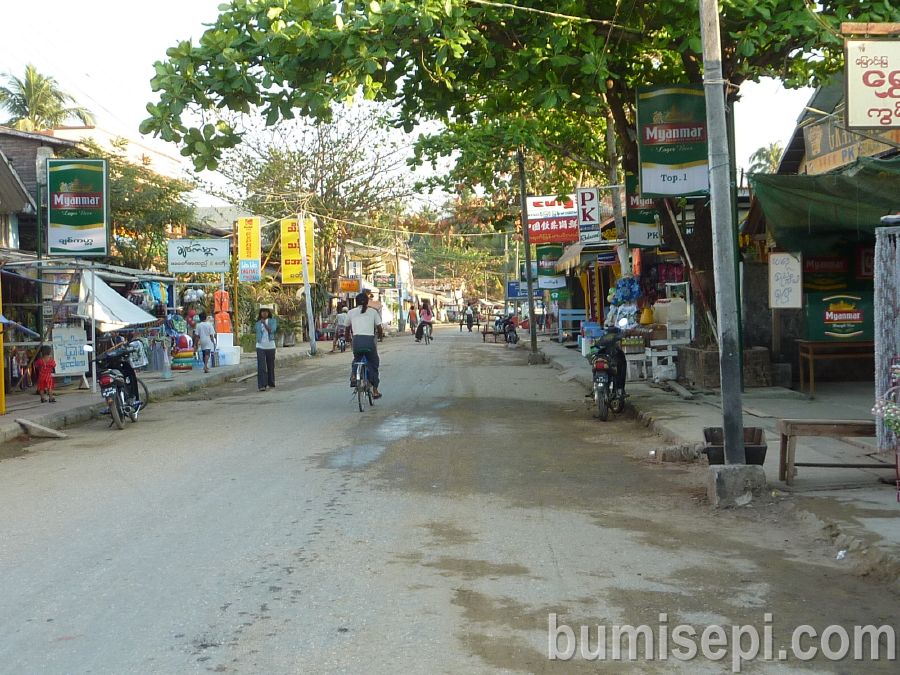
Chaung Tha Beach terletak 40 km ke barat Pathein (Bassein) di Ayeyarwaddy Division. Perajalanan dari Yangon ke sini mengambil masa lebih kurang 5 ke 6 jam. Chaung Tha Beach merupakan destinasi pelancongan tepi laut tersohor di Myanmar selain dari Ngapali Beach. Pantainya panjang dengan pasir yang halus dan seakan-akan berlumpur. Pohon kelapa dan kasuarina tumbuh di sepanjang pantai. Dari kejauhan kelihatan beberapa buah pulau pesisir pantai.
Banyak aktiviti komersial kecil-kecilan di sepanjang pantai. Penjaja membawa barang dagangan mereka di atas kepala menjual barang-barang handikraf dan makanan laut (seafood) dan akan menghampiri anda dengan barang jualan mereka. Ketam memang makanan laut popular di sini. Ketam hidup dijual dalam baldi-baldi besar yang diangkat dengan tangan dari satu tempat ke satu tempat. Anda pilih bilangan dan saiz ketam yang disukai dan bayar harganya dan penjual akan memasak ketam tersebut mengikut selera anda. Bukan saja ketam, ada udang dan ikan-ikan laut, dan harganya memang berpatutan – dijual mengikut bilangan dan saiz dan bukannya timbangan, dan boleh ditambah seekor dua lagi. Pendek kata, Chaung Tha ialah syurga makanan laut (seafood heaven). Anak-anak ketam dijual oleh kanak-kanak tempatan untuk dilepaskan ke laut. Harga seekor anak ketam hanyalah 200 kyats bersamaan 70 sen sahaja. Tapi jaga sepitnya.
Klik imej untuk saiz sebenar. Lalukan cursor atas imej untuk cerita di sebalik gambar.


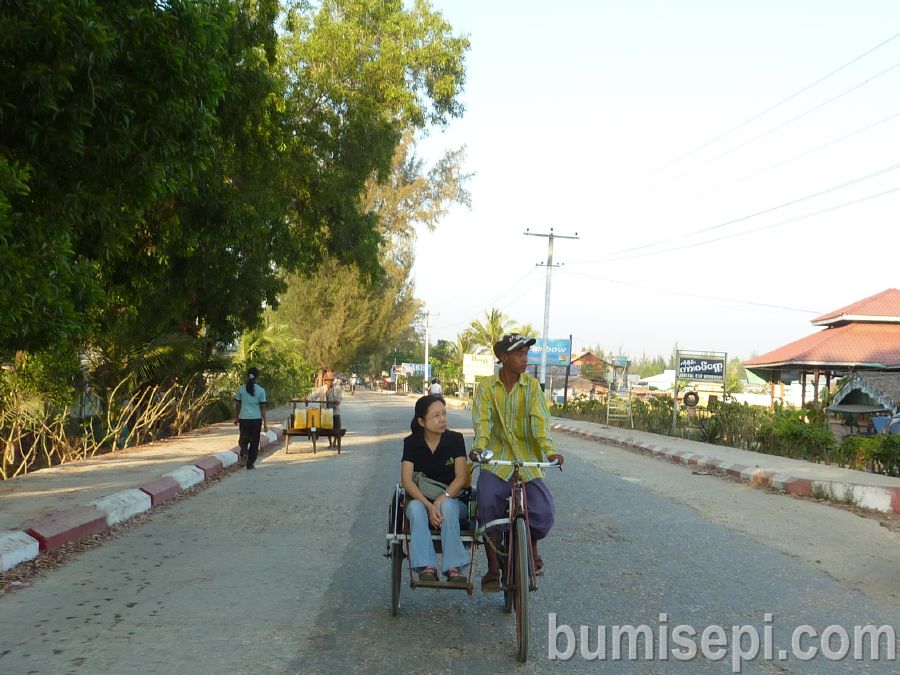
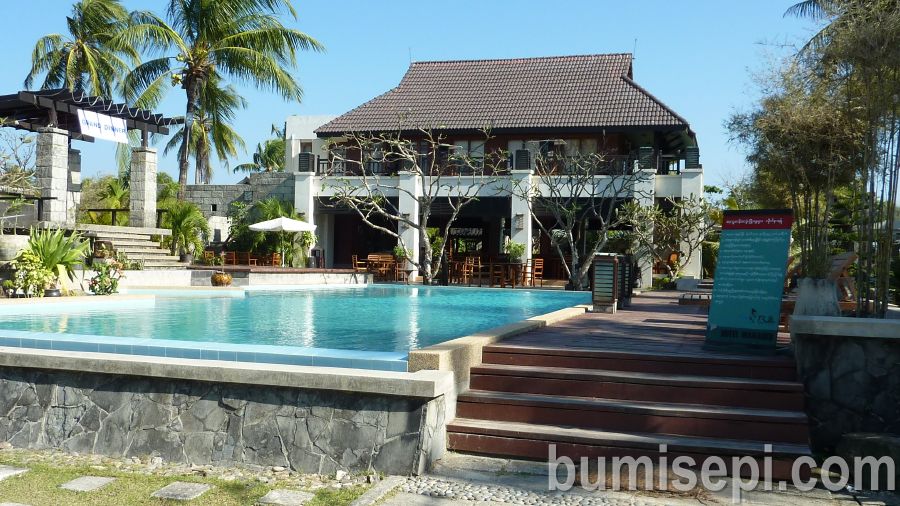
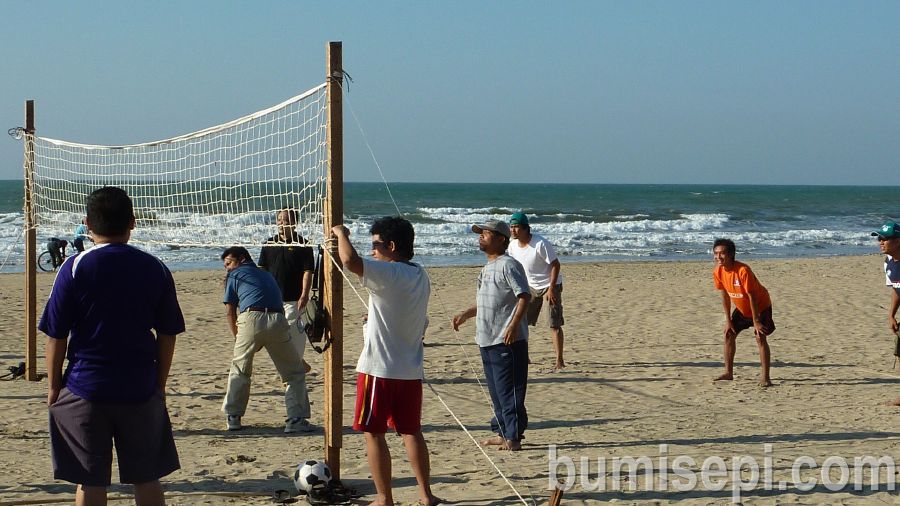


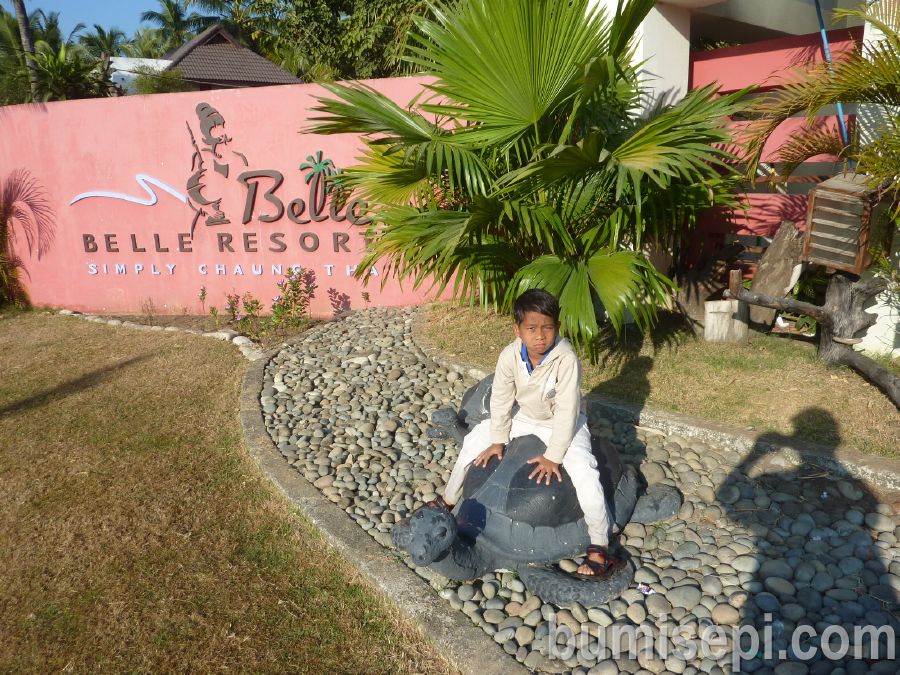
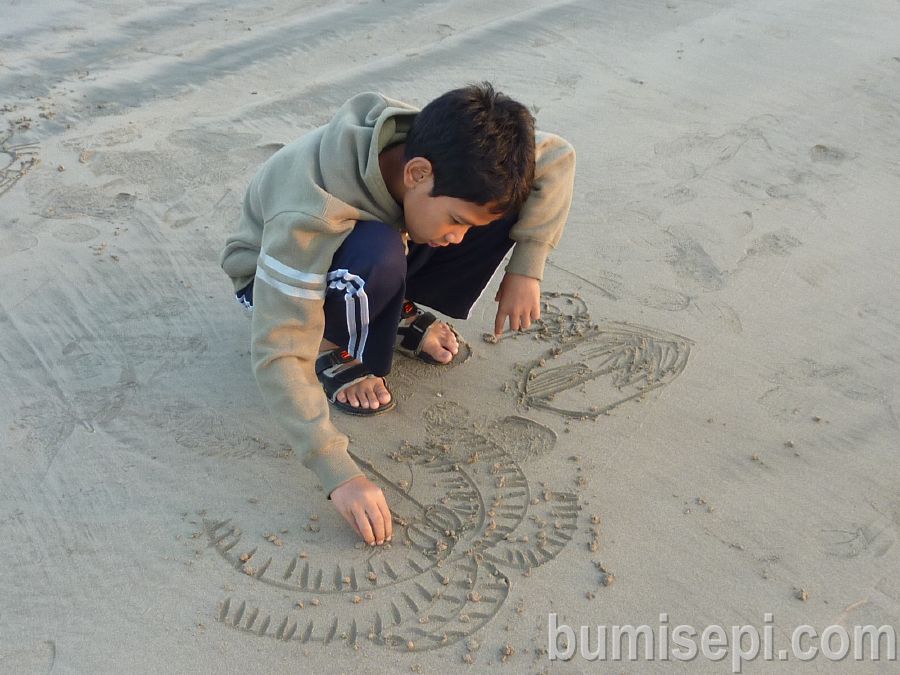
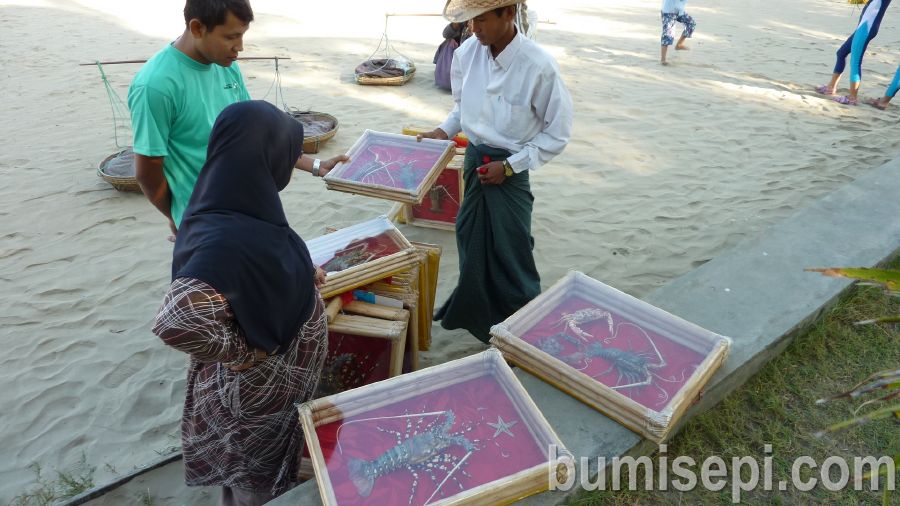
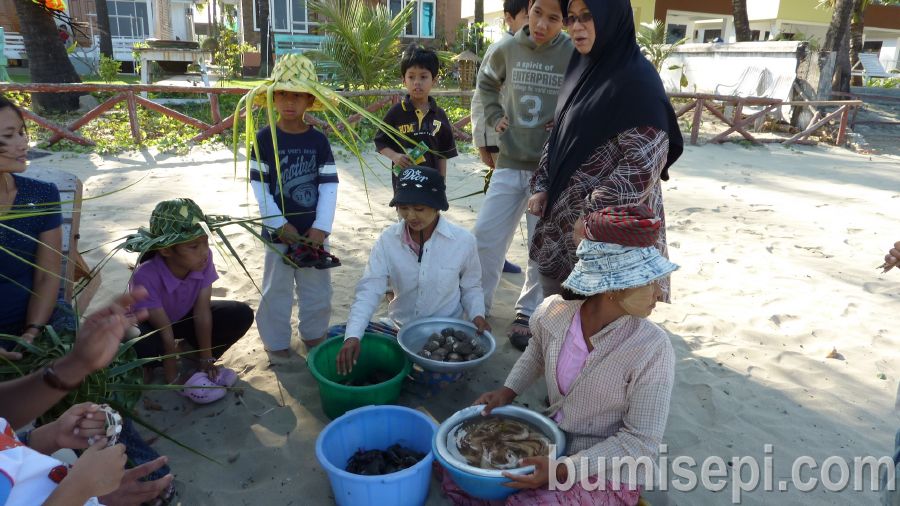
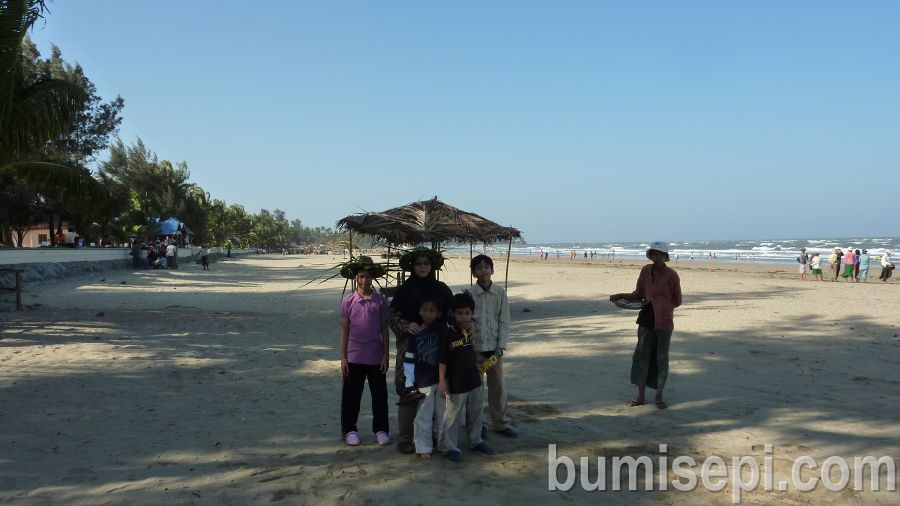
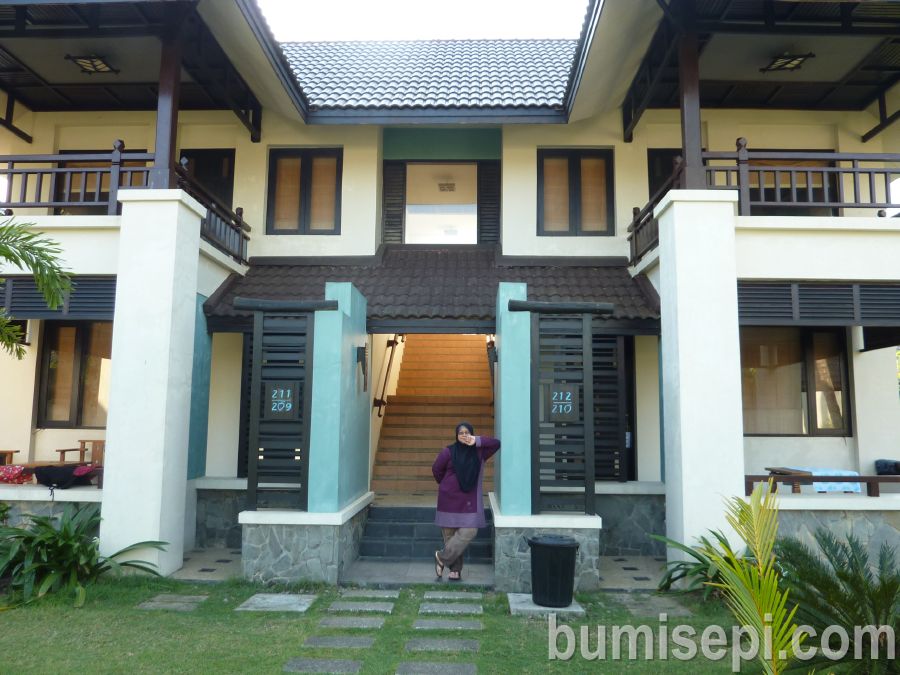
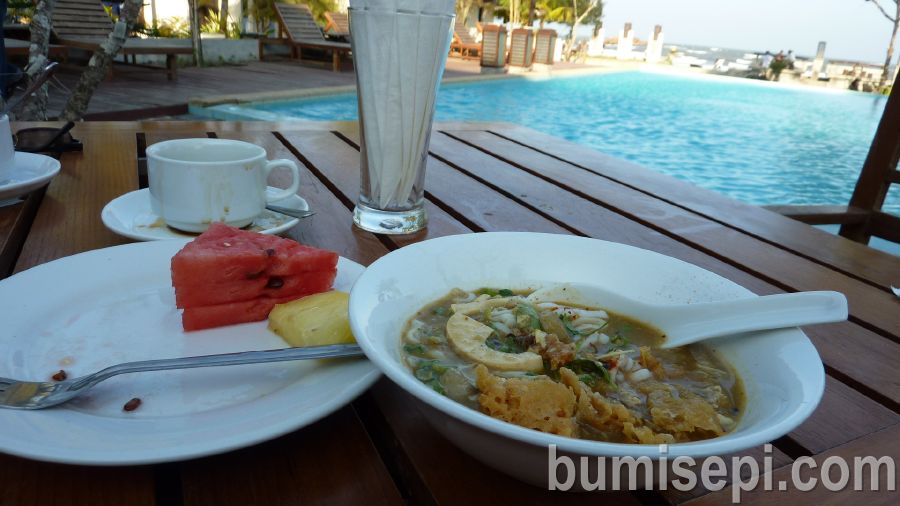
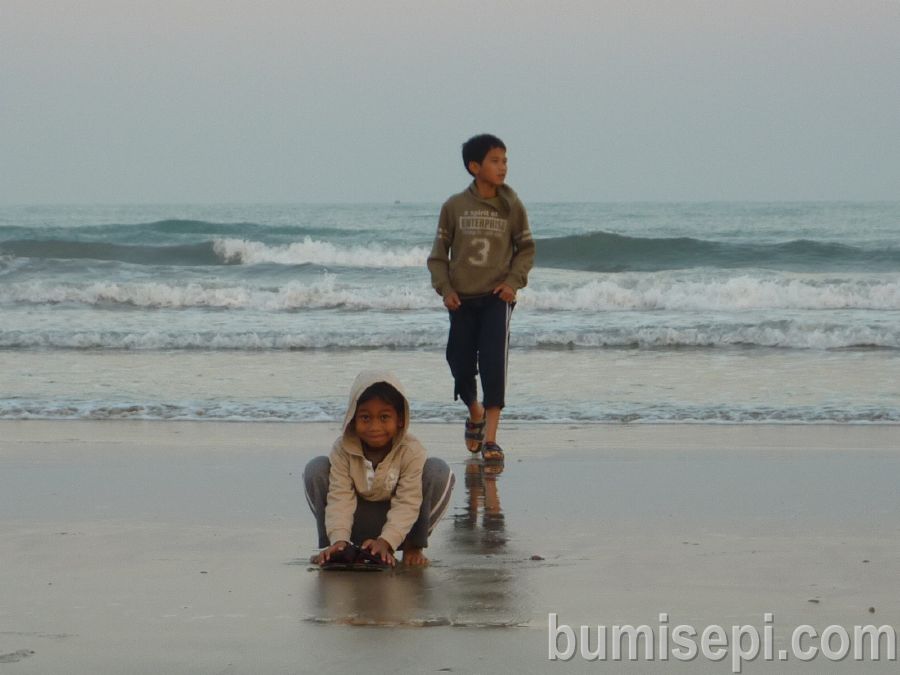

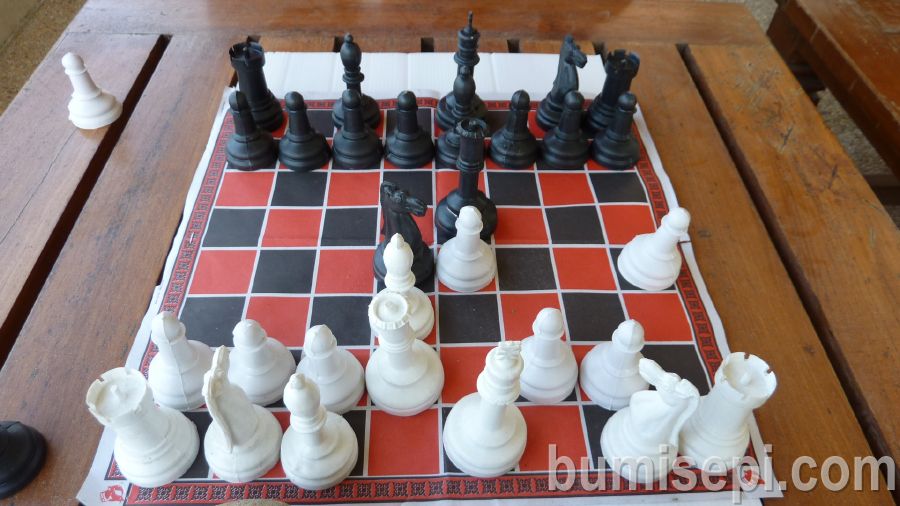
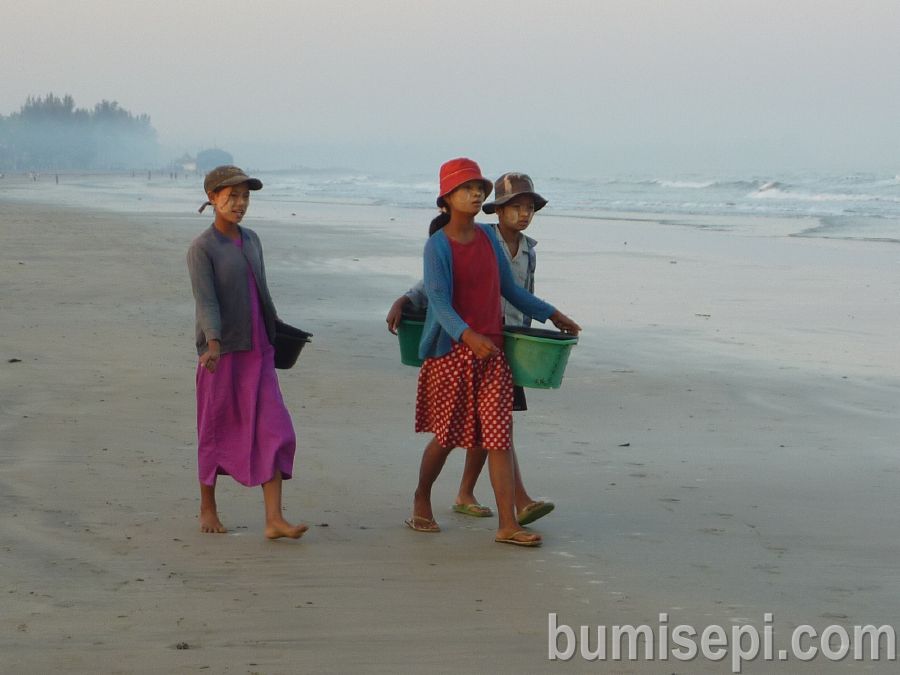
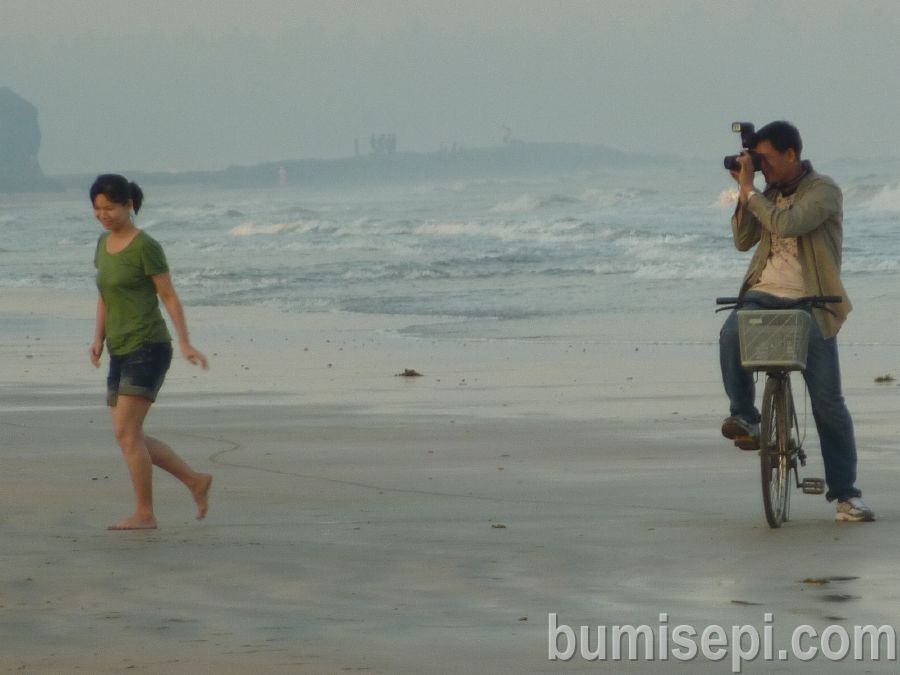
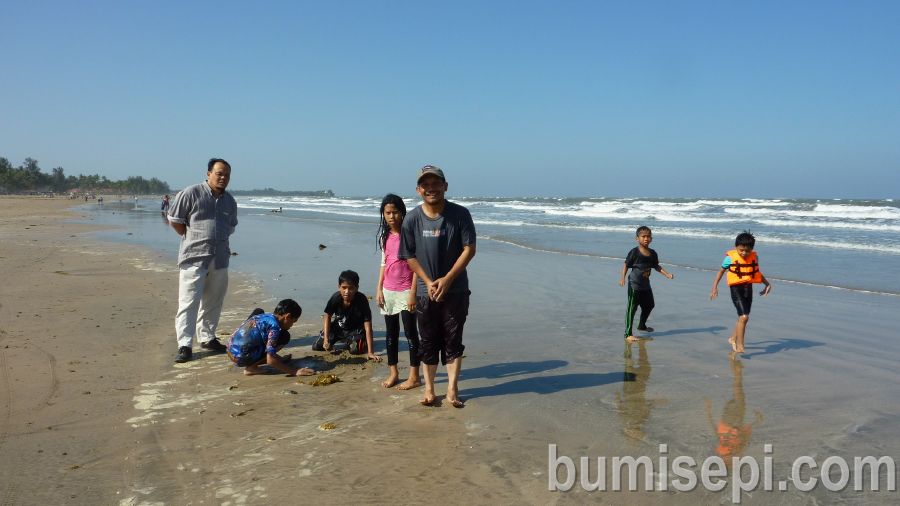
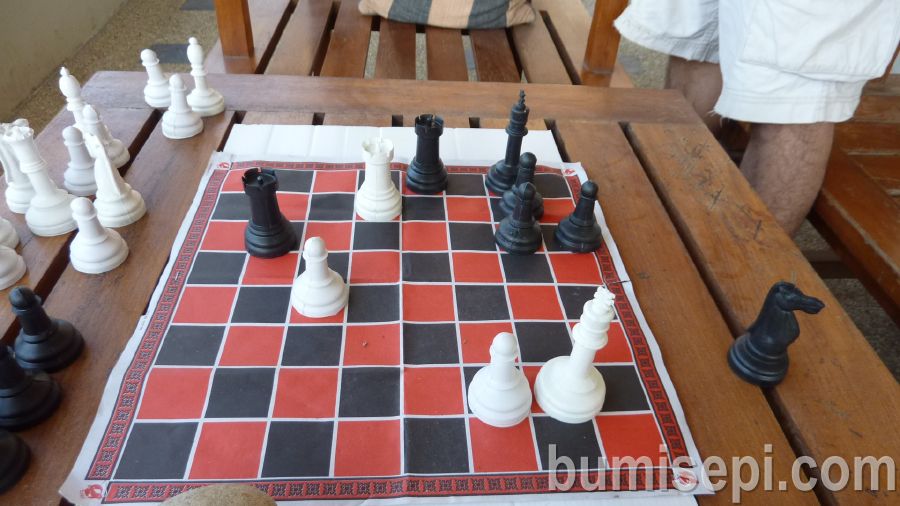

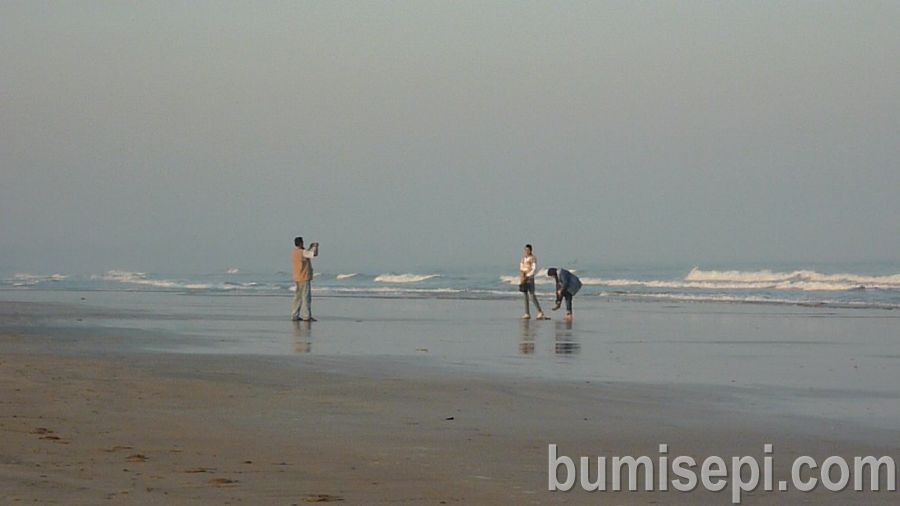
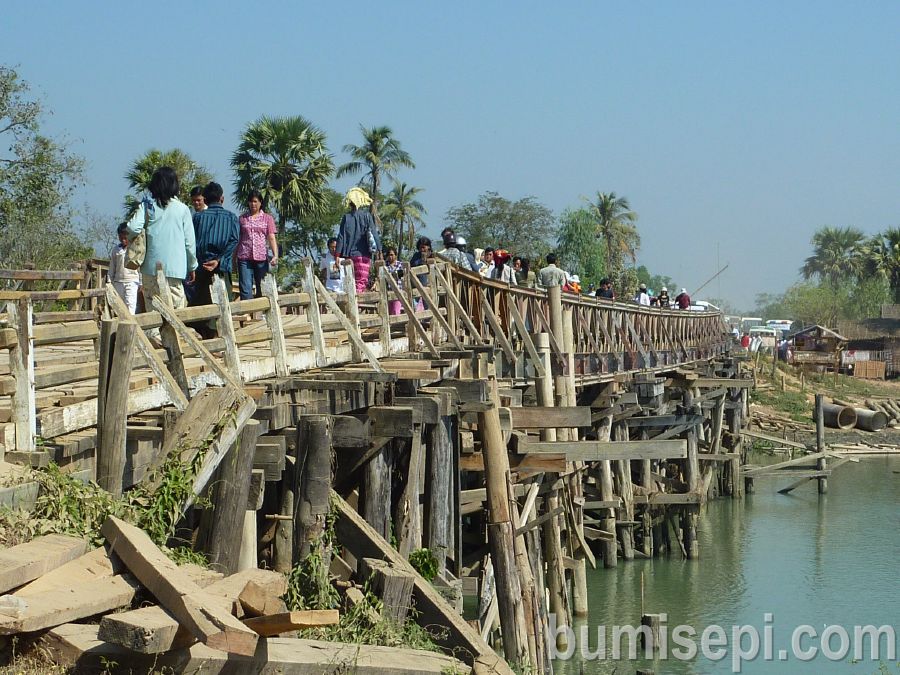
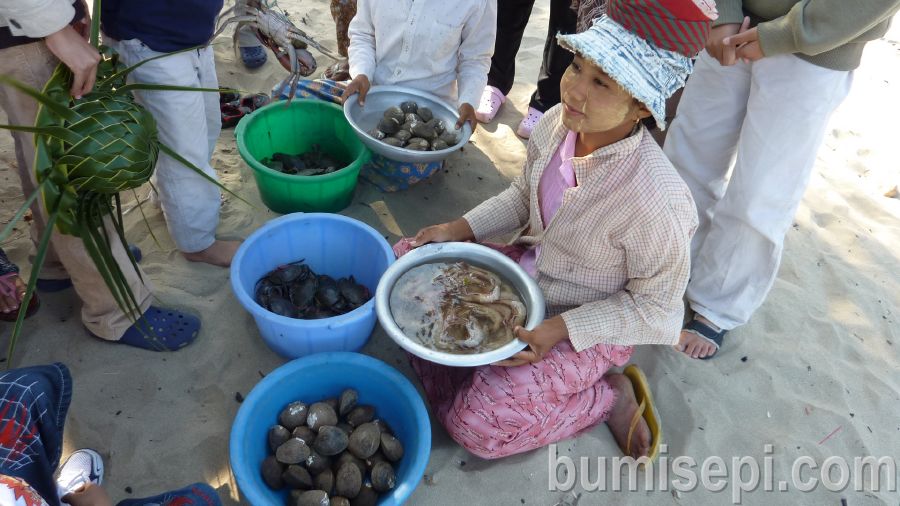
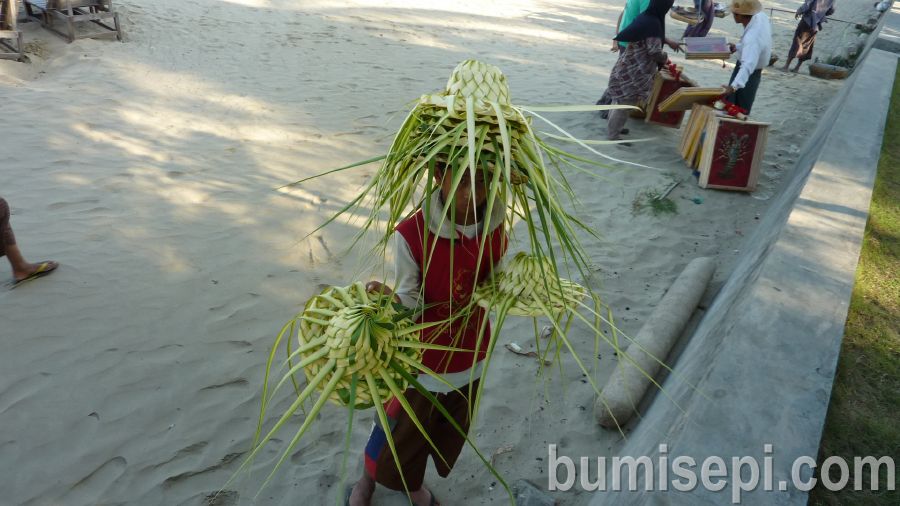
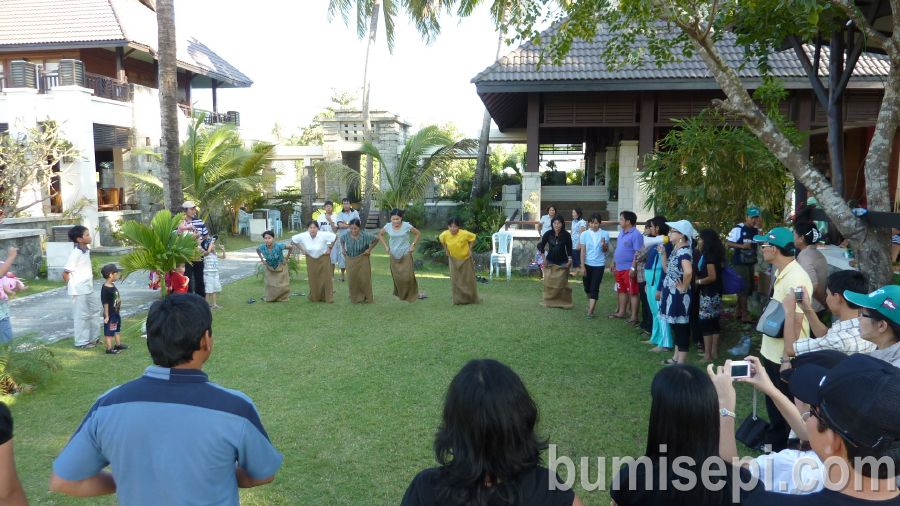

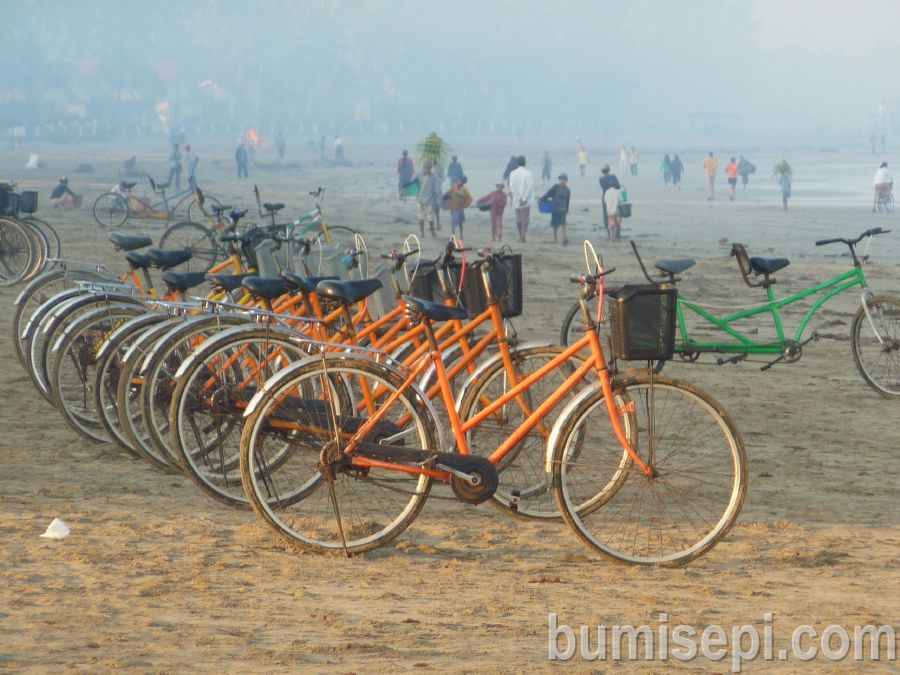
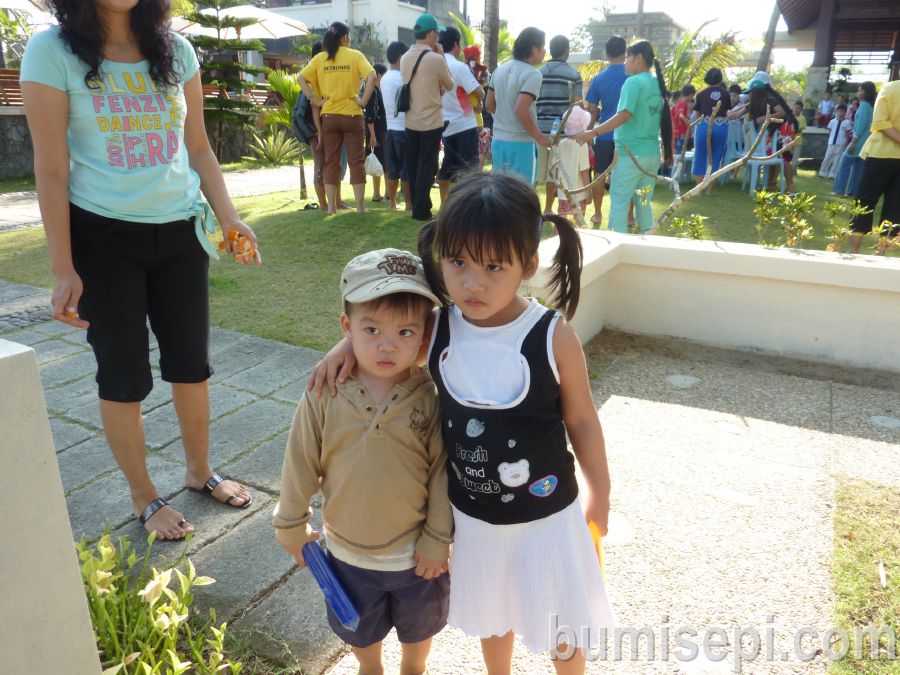
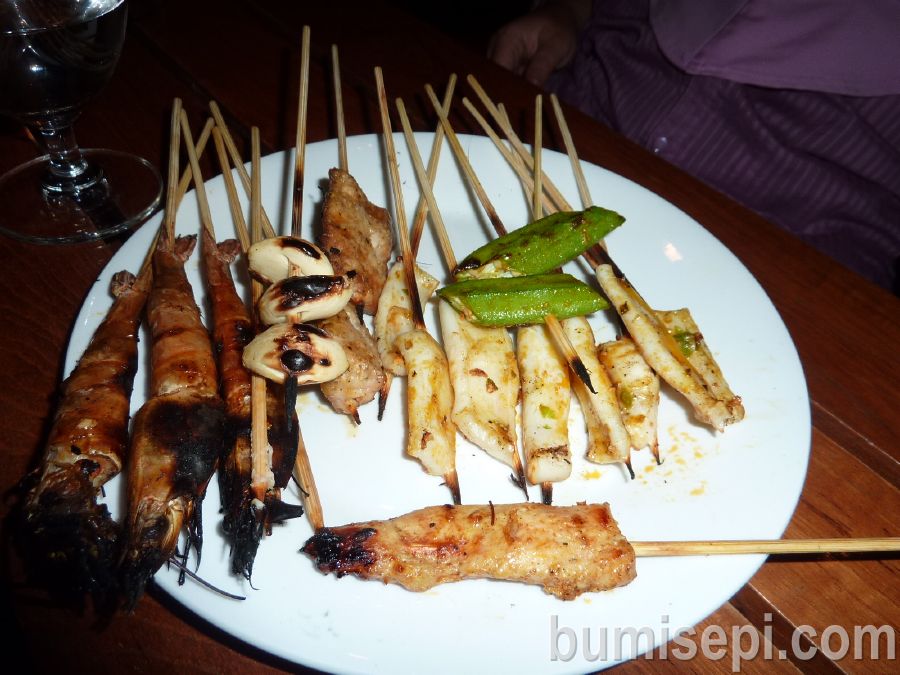
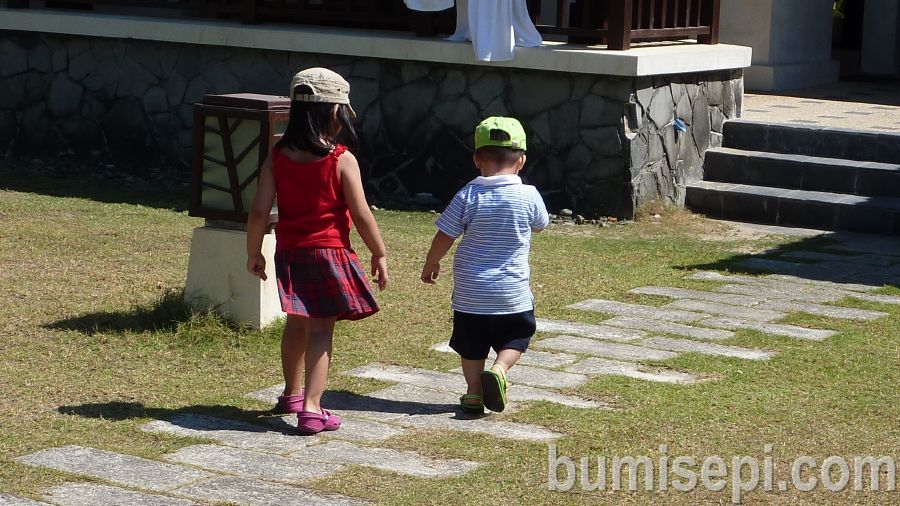
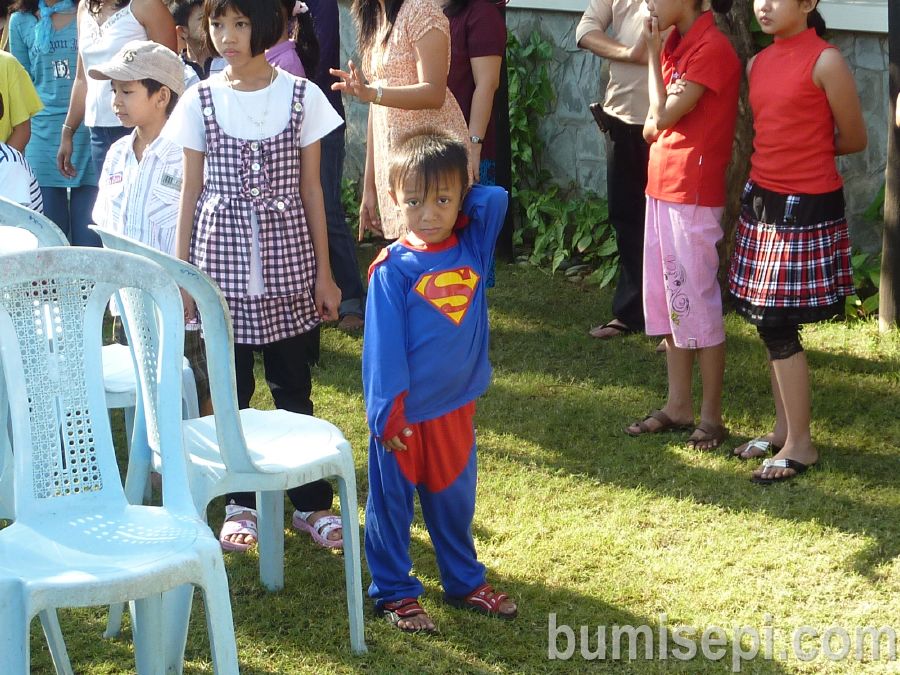

Aktiviti-aktiviti riadah banyak sekali. Anda boleh menaiki kuda di tepi pantai dengan bayaran 1000 kyats (bersamaan RM3.40) selama 15-20 minit. Kuda-kuda di sini dijaga dengan baik, dengan ekor panjang dan kulit kemerah-merahan seperti kuda lumba. Anda boleh menyewa basikal. Anda boleh menyewa pelampung getah yang besar dan membawanya jauh ke tengah laut dan membiarkan ombak Lautan Andaman menolaknya balik ke tepi pantai. Anda boleh bermain beach volleyball dan beach soccer. Anda boleh membeli handikraf seperti topi daun kelapa dan kulit ketam atau udang yang besar dalam frem untuk dibawa pulang sebagai kenangan.
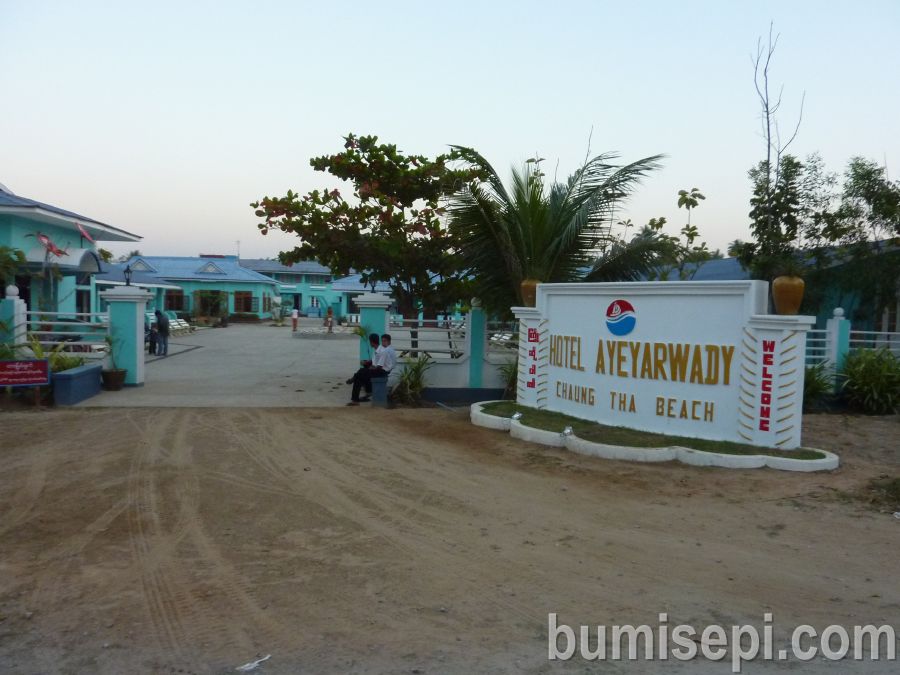
Terdapat banyak hotel berbagai bintang disini. Lawati tapak web ini http://www.hotelsinmyanmar.com/myanmar-chaungthar-deluxe.htm. Saya tinggal di Belle Resort sepanjang lawatan ini. Hotel lima bintang dengan kolam renang ini memang mahal (USD80++ untuk bilik deluxe menghadap laut). Saya di sini atas urusan rasmi jadi segala perbelanjaan dibayar Syarikat.
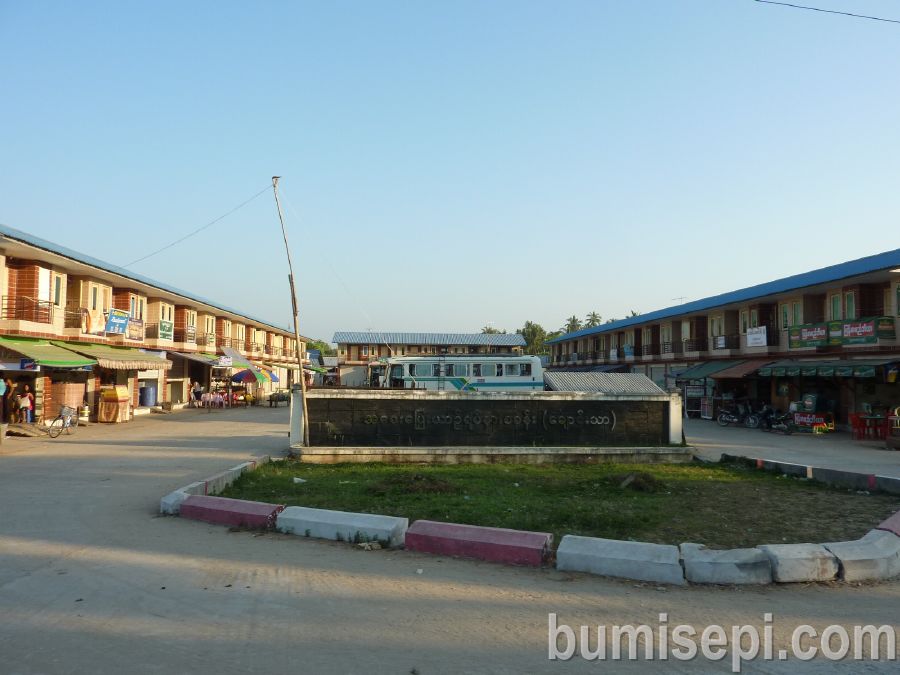
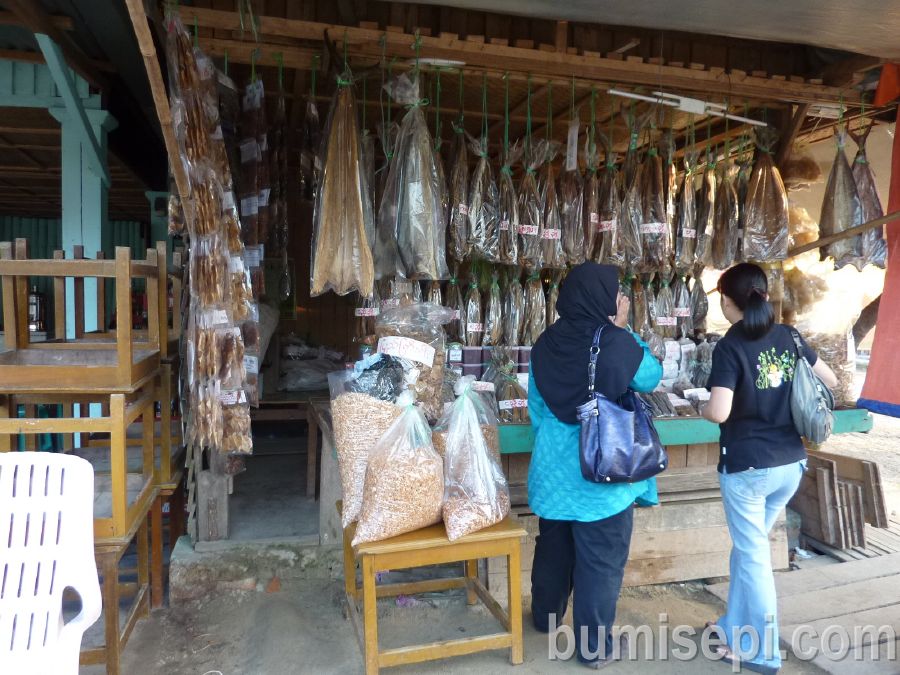
Chaung Tha ialah sebuah kampung nelayan di tepi pantai yang suram yang mana pelancongan menjadi industri utama di sini. Ini dapat dilihat dengan banyaknya hotel dan resort yang sedang atau sudah dibina atau diubahsuai. Anda boleh melawat kawasan ‘pusat bandar’ atau lebih tepat kawasan pasar Chaung Tha hanya berjalan kaki dari resort anda atau menaiki beca 2-seater, satu seat menghadap ke depan dan satu seat lagi menghadap ke belakang. Di kawasan pasar, ikan masin, sotong kering yang segar boleh dbeli, selain T-shirt sebagai kenangan ke sini. Tidak kelihatan masjid di kawasan ini.
UNTUK SAMPAI KE SINI
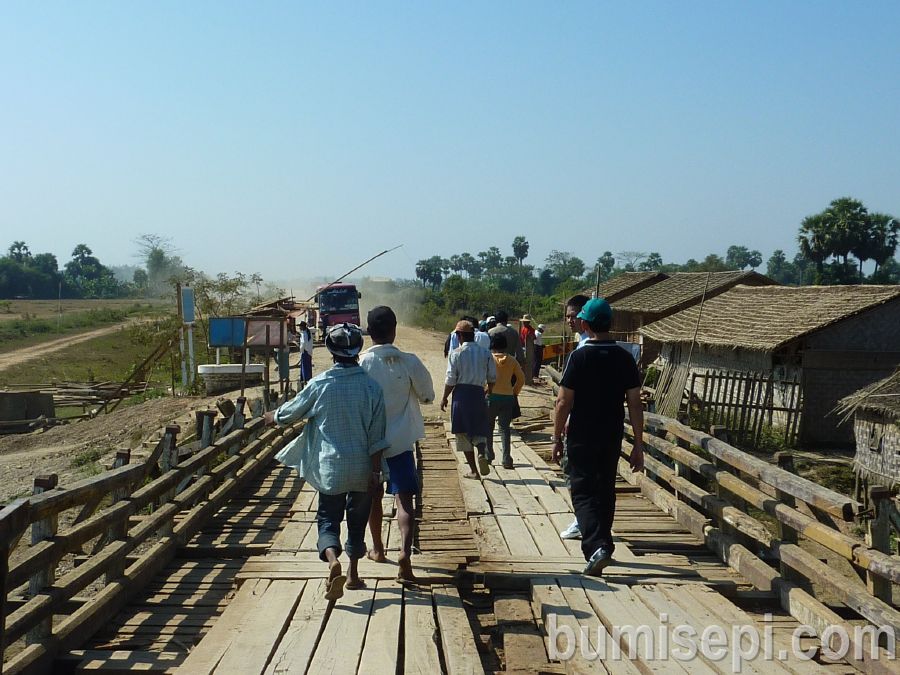
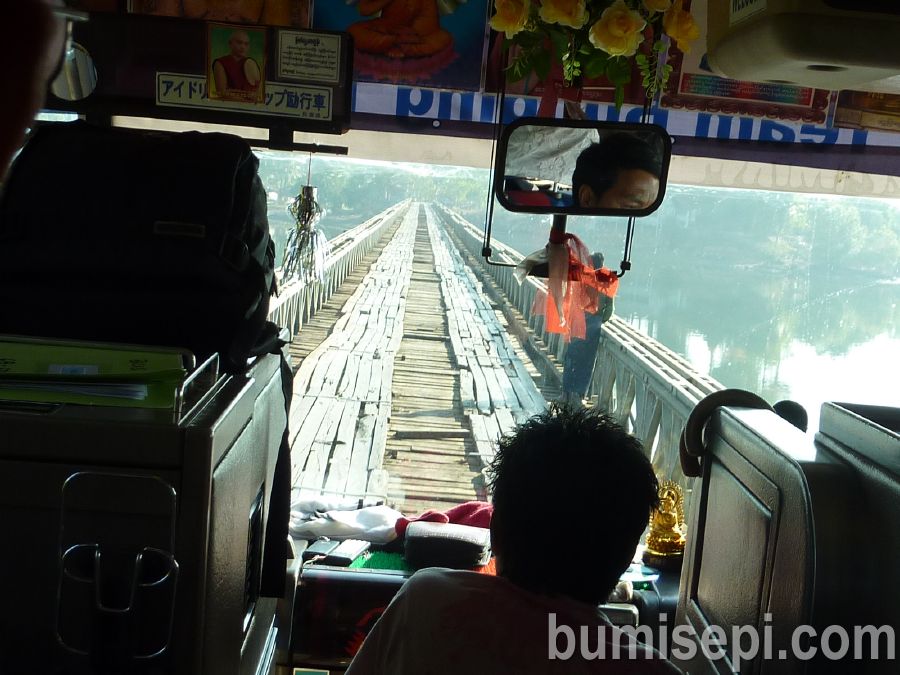
Malaysia Airline terbang setiap hari (kecuali Selasa dan Khamis) dari Kuala Lumpur ke Yangon, Myanmar. Dari Yangon ke Chaung Tha Beach anda boleh menaiki bas ekspres dan masa perjalanan 6 jam melalui jalan raya biasa (di Myanmar tiada lebuhraya seperti PLUS di Malaysia) yang mana hanya satu pertiga yang bertar sempurna. Untuk tempahan hotel, anda boleh melawat laman web http://www.hotelsinmyanmar.com/myanmar-chaungthar-deluxe.htm
Anda memerlukan visa untuk memasuki Myanmar.
Subscribe to:
Posts (Atom)